
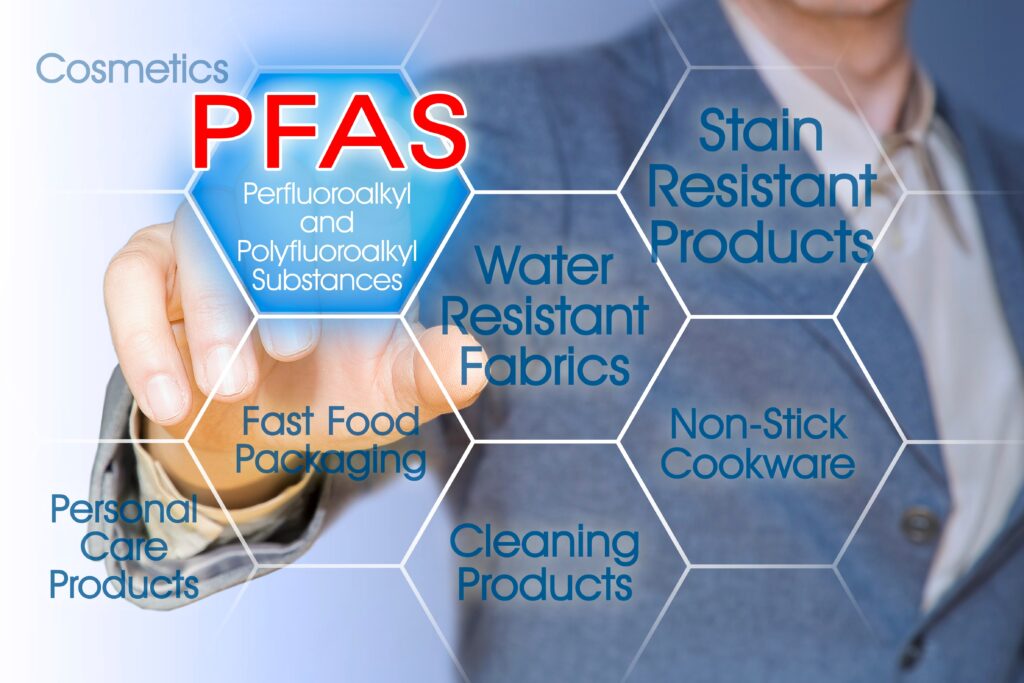
Per- and polyfluoroalkyl substances, commonly known as PFAS or “forever chemicals”, are toxic, man-made compounds found in thousands of everyday products across the United States, including firefighting foam, nonstick cookware, food packaging, and industrial materials. These chemicals are designed to resist heat, water, and oil, and also resist breaking down in both the environment and the human body. Over time, PFAS exposure has been linked to serious health conditions, including kidney cancer, testicular cancer, thyroid disease, immune system disorders, and other life-altering illnesses.
As awareness of the dangers of PFAS continues to grow, individuals, communities, and even state governments are filing lawsuits against the manufacturers and companies responsible for their production and widespread contamination. This page is here to help you understand your legal rights, what PFAS attorneys do, who may be eligible to file a claim, and how to take legal action if you or a loved one has suffered health consequences due to PFAS exposure.
At Bossier & Associates, PLLC, our attorneys are actively investigating claims on behalf of individuals who have been diagnosed with kidney cancer and testicular cancer.
If you or someone you love has been exposed to PFAS and later developed one of these serious illnesses, you may be entitled to compensation. Contact our firm today to discuss your potential case with a team that’s committed to holding polluters accountable.
PFAS Lawsuit – 2025 Updates
- Tucson secures $4.8 million from a PFAS cleanup settlement: Tucson has been awarded $4.8 million as part of a broader $30 million settlement to support water system cleanups and infrastructure improvements related to PFAS contamination.
- DuPont agrees to a $27 million payout in Hoosick Falls case: DuPont has settled a long‐running PFAS lawsuit in Hoosick Falls, NY, by agreeing to pay $27 million over contamination concerns, marking another win for communities injured by toxic “forever chemicals.”
- Judge urges PFAS parties toward early settlement ahead of kidney cancer bellwether trials: In June, the federal court-appointed judge overseeing the AFFF multidistrict litigation strongly encouraged both sides to reach a settlement before the October trial, which is expected to focus on kidney cancer claims.
- Carrier/Kidde bankruptcy plan contested by state attorneys general: Seven states and DC are challenging a bankruptcy strategy in which Kidde-Fenwal’s $540 million settlement for PFAS liabilities could shield Carrier Global from direct lawsuits
- 3M proposes up to $450 million settlement with New Jersey: 3M has offered a $450 million settlement to resolve PFAS water contamination lawsuits in New Jersey, with immediate and long-term payments to fund cleanup effort.
These developments show progress in holding negligent companies accountable and securing funds for affected individuals and communities. Stay informed with us as more settlements and legal decisions unfold.
What Is PFAS?
Per- and polyfluoroalkyl substances, commonly referred to as PFAS, comprise a diverse group of synthetic chemicals that have been widely used in industrial and consumer products for decades. Often referred to as “forever chemicals,” PFAS are extremely resistant to breaking down in the environment or the human body. Their durability and unique chemical structure made them ideal for manufacturing items that needed to resist water, grease, heat, and stains. From nonstick cookware and water-repellent clothing to fast food wrappers and cleaning products, PFAS have found their way into everyday life and into our soil, air, and drinking water.
One of the most significant contributors to PFAS contamination has been aqueous film-forming foam (AFFF), used for decades by the military, firefighters, and airports to fight fuel-based fires. The widespread and often unregulated use of PFAS-containing products has led to environmental and public health concerns across the U.S., with traces of the chemicals now found in water supplies, wildlife, and human blood. Because of their potential to cause cancer, thyroid disorders, and other serious health conditions, PFAS attorneys play a crucial role in helping individuals and communities take legal action. At Bossier & Associates, PLLC, our attorneys help victims of exposure pursue justice and financial compensation for the long-term consequences of these dangerous chemicals.
PFAS Chemicals List
PFAS chemicals include a vast group of more than 12,000 individual substances, all designed for their resistance to heat, oil, water, and stains. While they differ in structure and use, many PFAS compounds have been linked to long-term environmental persistence and serious health risks. Regulatory agencies and researchers have focused on a handful of these compounds due to their widespread presence and known toxic effects.
Some of the most widely studied and regulated PFAS chemicals include:
- PFOA (Perfluorooctanoic acid): Formerly used in nonstick cookware and stain-resistant fabrics
- PFOS (Perfluorooctane sulfonate): A key ingredient in firefighting foams and fabric protectors
- GenX: A replacement chemical for PFOA, now linked to similar health concerns
- PFBS (Perfluorobutane sulfonic acid): Commonly used in cleaning products and paper coatings
Each of these substances may have different toxicological profiles, but most share common long-term risks to human health, including cancer, thyroid dysfunction, immune system issues, and developmental problems. Identifying which PFAS compounds you were exposed to is a critical step in pursuing compensation and holding manufacturers accountable.
PFAS Health Effects and Symptoms
Scientific research has increasingly confirmed the health risks linked to PFAS exposure, especially with prolonged or repeated contact through contaminated water, food, or consumer products. These “forever chemicals” can accumulate in the body over time, leading to a range of health effects that may not show up immediately but can have serious long-term consequences.
Common symptoms and health conditions associated with PFAS exposure include:
- High blood pressure, especially during pregnancy
- Elevated cholesterol levels
- Thyroid dysfunction or hormone disruption
- Decreased immune response
- Kidney and testicular cancer
- Liver damage or changes in liver enzymes
If you are experiencing any of these symptoms and believe you may have been exposed to PFAS, it's important to consult with a medical professional. Early medical evaluation can lead to prompt testing and help uncover the link between your symptoms and potential chemical exposure, supporting both your health and any legal claims you may pursue.
Understanding PFAS Exposure and Related Cancer Risks
PFAS chemicals can make their way into the human body through several exposure pathways, some well-known, others surprisingly common. Because these substances don’t break down easily, they accumulate in the environment and in our bodies over time. While contaminated drinking water and certain jobs pose clear risks, many people are unknowingly exposed to PFAS in everyday life. Once in the body, PFAS can persist for years, and studies from the EPA and the National Cancer Institute have linked long-term exposure to serious health risks, especially kidney cancer and testicular cancer.
Common and surprising sources of PFAS exposure include:
- Contaminated drinking water, particularly near industrial sites, military bases, and airports
- Firefighting foam (AFFF) used in training and emergency response
- Occupational exposure in industries like chemical manufacturing, metal plating, and textile treatment
- Nonstick cookware (especially when damaged or overheated)
- Stain-resistant carpets and upholstery
- Grease-resistant food packaging, such as fast-food wrappers and microwave popcorn bags
- Cosmetics and personal care products, including waterproof mascara and foundation
- Waterproof clothing and outdoor gear, often treated with PFAS-based coatings
Many of these sources are part of daily life, making PFAS exposure more widespread than most people realize. If you suspect you’ve been exposed and are experiencing related health concerns, especially cancer diagnoses, seeking medical advice is essential to initiate proper testing and explore potential links to PFAS.
Kidney Cancer Linked to PFAS
Long-term exposure to PFOA and other PFAS chemicals has been linked to a significantly increased risk of kidney cancer, as supported by research from the EPA and other public health organizations. These chemicals accumulate in the kidneys, where they may disrupt cellular function and increase the likelihood of cancerous growth over time. Certain individuals face a much higher risk due to the nature of their environment or profession.
Groups most likely at risk for PFAS-related kidney cancer include:
- Firefighters regularly exposed to PFAS-based firefighting foam (AFFF)
- Chemical plant and industrial workers involved in PFAS production or handling
- Military personnel and airport workers at sites where firefighting foam is frequently used
- Residents living near contaminated water sources, including military bases, factories, and airports
- Communities with known PFAS water supply contamination
If you or a loved one has developed kidney cancer and falls into one of these categories, you may be eligible to file a lawsuit. Bossier & Associates, PLLC can help recover compensation for medical expenses, lost income, and the physical and emotional toll of the disease.
Testicular Cancer and PFAS Contamination
Research has increasingly shown a connection between PFAS exposure and a higher risk of testicular cancer, supported by several epidemiological studies examining affected populations. These studies indicate that long-term contact with PFAS, through contaminated drinking water, occupational exposure, or consumer products, can disrupt hormonal balance and cellular processes, contributing to the development of testicular tumors. Individuals diagnosed with testicular cancer who have a history of exposure to PFAS-contaminated water sources or PFAS-containing products may have valid grounds to pursue a lawsuit. Seeking compensation through legal action can help cover medical expenses, lost wages, and other damages resulting from the harmful effects of these persistent chemicals. Reach out to Bossier & Associates, PLLC, to learn more about who qualifies for a PFAS lawsuit.
PFAS Manufacturers and Products
Several major manufacturers have been historically linked to the production of PFAS chemicals found in a wide array of everyday products. These companies developed and supplied PFAS for use in items like nonstick cookware, stain-resistant fabrics, firefighting foams, and food packaging, contributing significantly to environmental contamination.
Key manufacturers historically associated with PFAS production include:
- 3M: An early developer and major supplier of PFAS chemicals such as firefighting foams (AFFF) and stain-resistant coatings.
- DuPont and its successor Chemours: Producers of PFOA, PFOS, and related compounds used in things like nonstick cookware coatings (e.g., Teflon) and water-repellent fabrics.
- Honeywell: Involved in PFAS chemical manufacturing and distribution for use in the aerospace and electronics industries.
- Arkema: A supplier of specialty PFAS chemicals used for coatings and surface treatments.
- Solvay: A manufacturer of fluorochemical products containing PFAS for food packaging and waterproof textiles.
These companies have faced numerous lawsuits alleging they knowingly withheld information about the health risks of PFAS exposure, exposing millions to these “forever chemicals” without proper warnings. As a result, many individuals and communities are now seeking legal recourse to hold these manufacturers accountable for the damage caused.
List of Products with PFAS
PFAS chemicals have been widely used for their water-, stain-, and heat-resistant qualities across numerous everyday products. Some of the most common items historically known to contain PFAS include:
- Firefighting foam (AFFF)
- Nonstick cookware (such as Teflon-coated pans)
- Water-repellent outerwear and outdoor gear
- Stain-resistant carpets, upholstery, and furniture
- Food packaging materials, including microwave popcorn bags and fast-food wrappers
- Cosmetics and makeup products, such as waterproof mascara and foundation
Due to their extensive use in so many industries and products, millions of people were unknowingly exposed to PFAS over the years, often without being aware of the potential health risks these “forever chemicals” carry.
PFAS in Drinking Water
PFAS are highly persistent in the environment and can easily contaminate groundwater and municipal water systems. These “forever chemicals” do not break down naturally, allowing them to accumulate over time in water supplies near industrial sites, military bases, airports, and areas where firefighting foam has been extensively used. Once PFAS enter the water system, they can spread widely, affecting entire communities and drinking water sources.
In the United States, several regions have reported significant PFAS contamination. Because drinking water is a primary source of daily exposure for most people, contaminated water supplies pose the greatest health risk, leading to prolonged and often unseen contact with these harmful chemicals. This widespread exposure has prompted increased testing, regulation, and legal action aimed at protecting public health.
New PFAS Regulations
Government officials are increasingly prioritizing the cleanup of PFAS contamination due to growing awareness of the serious health risks these “forever chemicals” pose. Efforts to identify and remediate polluted sites, such as water sources near industrial facilities and military bases, are becoming more aggressive, supported by new regulations and increased funding. Key updates include the following:
EPA’s new Maximum Contaminant Levels (MCLs) for PFAS in drinking water, established in April 2024:
- PFOA and PFOS limited to 4 parts per trillion (ppt) each
- PFNA, PFHxS, and HFPO-DA (GenX) limited to 10 ppt each
- Introduction of a Hazard Index to regulate combined exposure to multiple PFAS chemicals
State-level regulations aimed at banning or restricting PFAS in consumer products:
- California banning PFAS in cosmetics, textiles, and juvenile products starting in 2025
- Other states implementing similar restrictions on PFAS-containing items
Funding and Support:
Funding support from the Bipartisan Infrastructure Law to assist with testing, cleanup, and development of safer chemical alternatives.
Together, these federal and state regulations represent a comprehensive approach to tackling PFAS contamination and reducing long-term health risks.
How to File a PFAS Lawsuit
Filing a PFAS lawsuit involves several important steps that help build a strong case for compensation. Whether you’ve developed cancer or another serious illness after being exposed to PFAS chemicals, it's crucial to take action with guidance from a legal team that understands these complex claims. Many PFAS cases are filed as part of class actions or multidistrict litigation (MDL), which means your claim may be grouped with others to hold large manufacturers accountable.
Here are the general steps to take when filing a PFAS lawsuit:
- Gather medical documentation that confirms your diagnosis and outlines your symptoms and treatment.
- Identify the source of exposure, such as contaminated water supplies, firefighting foam (AFFF), or PFAS-laced consumer products.
- Document your exposure timeline to help link your illness to PFAS contact.
- Contact Bossier & Associates, PLLC, to speak with attorneys who have experience handling toxic exposure and PFAS-related claims.
- File your claim within the legal deadline, as statutes of limitations vary by state.
At Bossier & Associates, PLLC, our attorneys bring a proven track record in these complex cases. With many PFAS claims being consolidated into large class actions or multidistrict litigation (MDL), it's essential to have a dedicated legal advocate on your side. We can help you navigate these streamlined processes, which allow individuals with similar claims to combine their strength and resources, putting significant pressure on major manufacturers and working towards the justice you deserve.
PFAS Lawsuit Settlement Amounts
Individuals filing PFAS lawsuits may wonder what kind of compensation they can expect. Settlement amounts vary widely and depend on several factors, including the severity of the illness, length and level of PFAS exposure, the strength of medical and scientific evidence, and whether the case is part of a class action or individual lawsuit. While exact amounts for personal injury cases are still being determined in ongoing litigation, several large-scale settlements have already been reached, primarily involving municipalities and water providers.
Here are some notable PFAS settlement amounts:
- 3M: Agreed to pay up to $12.5 billion to U.S. public water systems in 2023 to address PFAS contamination.
- DuPont (and spinoffs Chemours and Corteva): Reached a $1.18 billion settlement with water providers across the U.S.
- Daikin America: Paid $5 million in a settlement with Alabama residents over PFAS contamination.
- Solenis and BASF: Paid over $65 million in a class action related to PFAS in firefighting foam.
While these figures reflect settlements primarily involving communities and utilities, they show how seriously courts and companies are treating PFAS liability. For individuals, potential compensation will depend on how clearly their illness can be tied to exposure and the extent of damages suffered, something a skilled PFAS attorney can help assess.
Contact a PFAS ContaminationLawyer
If you or a loved one has been diagnosed with cancer and suspect it may be linked to PFAS exposure, whether through contaminated drinking water, workplace exposure, or everyday consumer products, it’s important to speak with an experienced attorney. A PFAS contamination lawyer can evaluate your case, help connect your diagnosis to known contamination sources, and determine your eligibility for compensation. Initial consultations are free, and legal action may help you recover damages for medical expenses, lost income, pain and suffering, and more. Don’t wait, contact Bossier & Associates, PLLC today to get the answers and support you deserve.
PFAS Frequently Asked Questions (FAQs)
How much does it cost to hire a PFAS lawyer?
Most PFAS lawyers work on a contingency fee basis, meaning you pay nothing upfront. They only collect a fee if they win your case or secure a settlement.
Will I have to pay legal fees if I don’t win my case?
No. With contingency-based representation, you won’t owe any legal fees unless your lawyer secures compensation for you.
How long do PFAS cases usually take to resolve?
These cases can take several months to a few years, depending on the complexity of your claim, whether it’s part of a class action, and court schedules.
Can I file a PFAS lawsuit even if I’ve moved away from the contaminated area?
Yes. If your exposure occurred before you moved, you may still be eligible to file a claim based on your previous residence, workplace, or water supply.
Is my personal information kept confidential during the lawsuit?
Yes. Your personal and medical information is handled with strict confidentiality throughout the legal process.
Who is eligible to file a PFAS lawsuit?
Individuals who have suffered serious health conditions, such as kidney cancer, testicular cancer, thyroid disease, or other illnesses, after confirmed or likely exposure to PFAS chemicals may be eligible to file a lawsuit. A PFAS attorney can help determine your eligibility.
How common are PFAS in makeup?
PFAS have been found in a wide range of cosmetics, including foundation, mascara, lipstick, and waterproof makeup. Studies have shown that many popular brands contain PFAS to increase durability, water resistance, and smooth application, even when not listed on the ingredient label.
Can PFAS be absorbed through the skin?
Yes, PFAS can be absorbed through the skin, especially with repeated or long-term exposure from products like lotions, cosmetics, and sunscreens. While ingestion and inhalation are the most studied routes of exposure, dermal absorption is still a concern for cumulative health effects.
Is PFAS in everything that isn’t glass or stainless steel?
PFAS are extremely widespread due to their nonstick, water-repellent, and heat-resistant properties. They can be found in many everyday items, including food packaging, textiles, cookware, electronics, and cleaning products. While not literally in everything, PFAS are so persistent and widely used that avoiding them entirely is very difficult, though stainless steel, glass, and untreated natural materials tend to be PFAS-free.
Can PFAS be inhaled?
Yes, PFAS can be inhaled, particularly in workplaces where PFAS are manufactured or used, or from household dust contaminated by PFAS-containing products.
Are there ways to reduce PFAS exposure in daily life?
Yes, you can reduce exposure by avoiding nonstick cookware with PTFE (like Teflon), using PFAS-free cosmetics and personal care products, drinking filtered water (using filters rated to remove PFAS), and avoiding stain-resistant or water-repellent treated textiles.
Are cosmetics companies required to label PFAS in products?
Currently, there are limited regulations requiring PFAS to be disclosed on cosmetic labels in the U.S., though some states are moving toward stricter labeling and bans. Many PFAS are listed under broad ingredient names like “fluoropolymer” or “PTFE.”